Tacna: where olive oil holds a privileged place
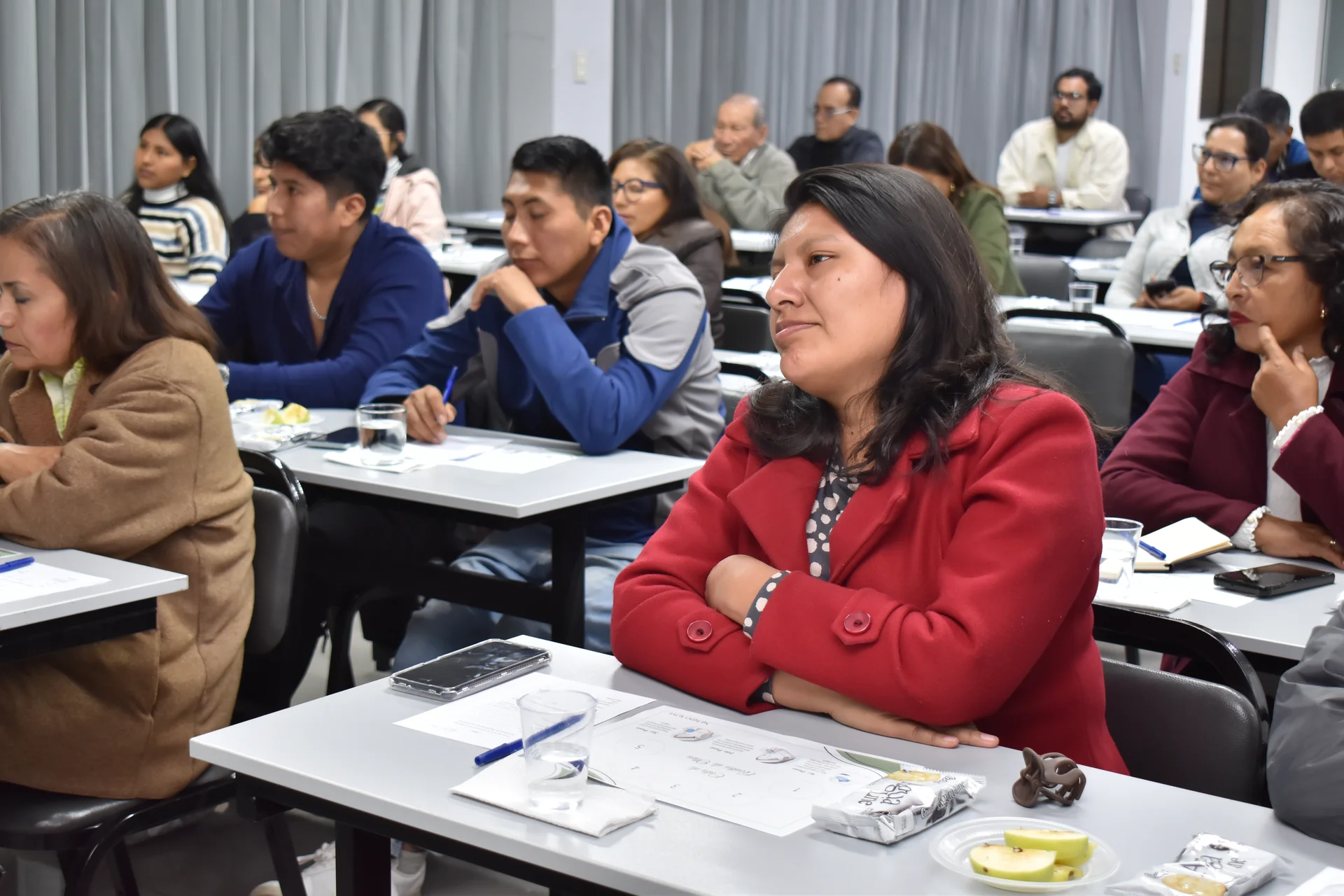
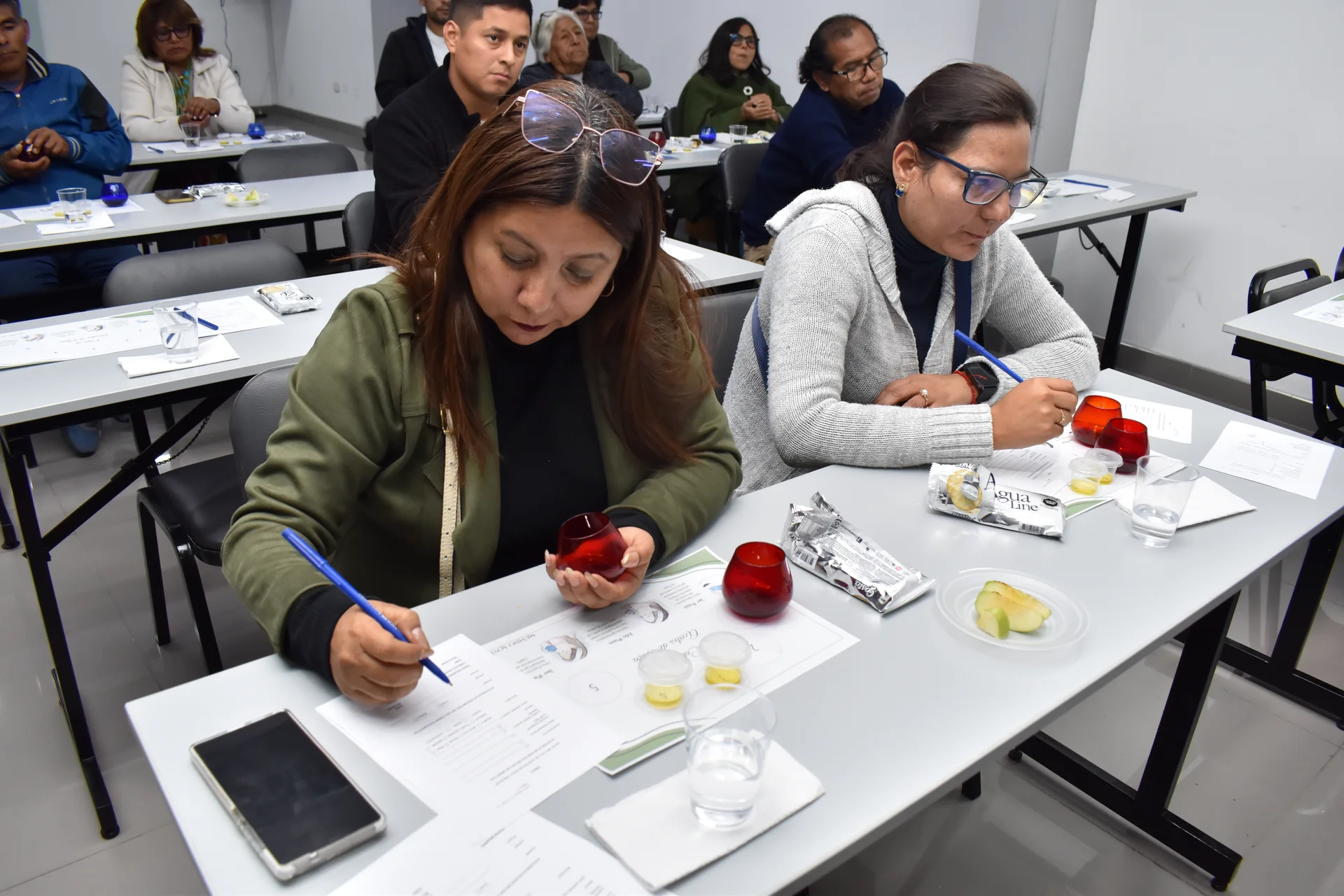
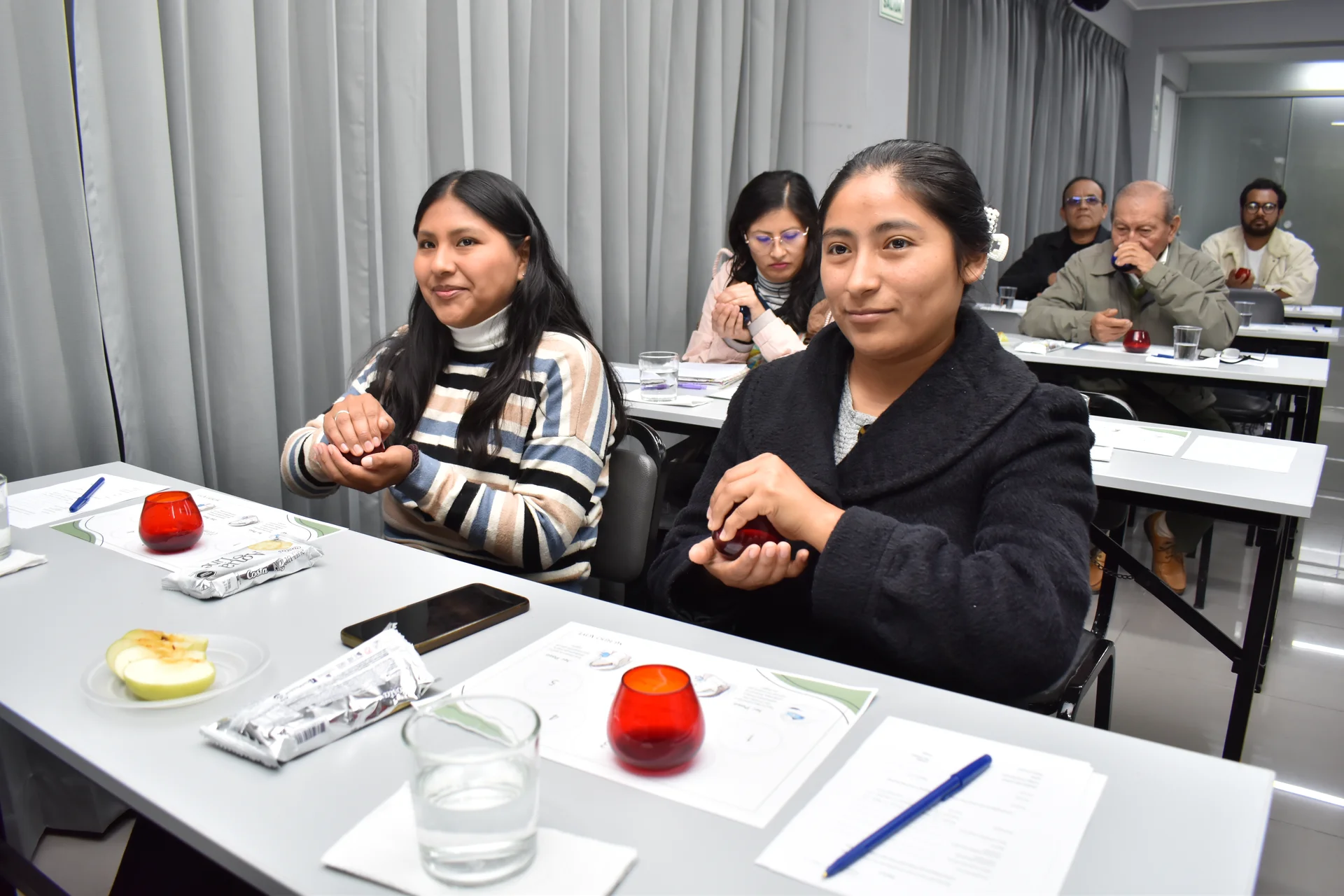
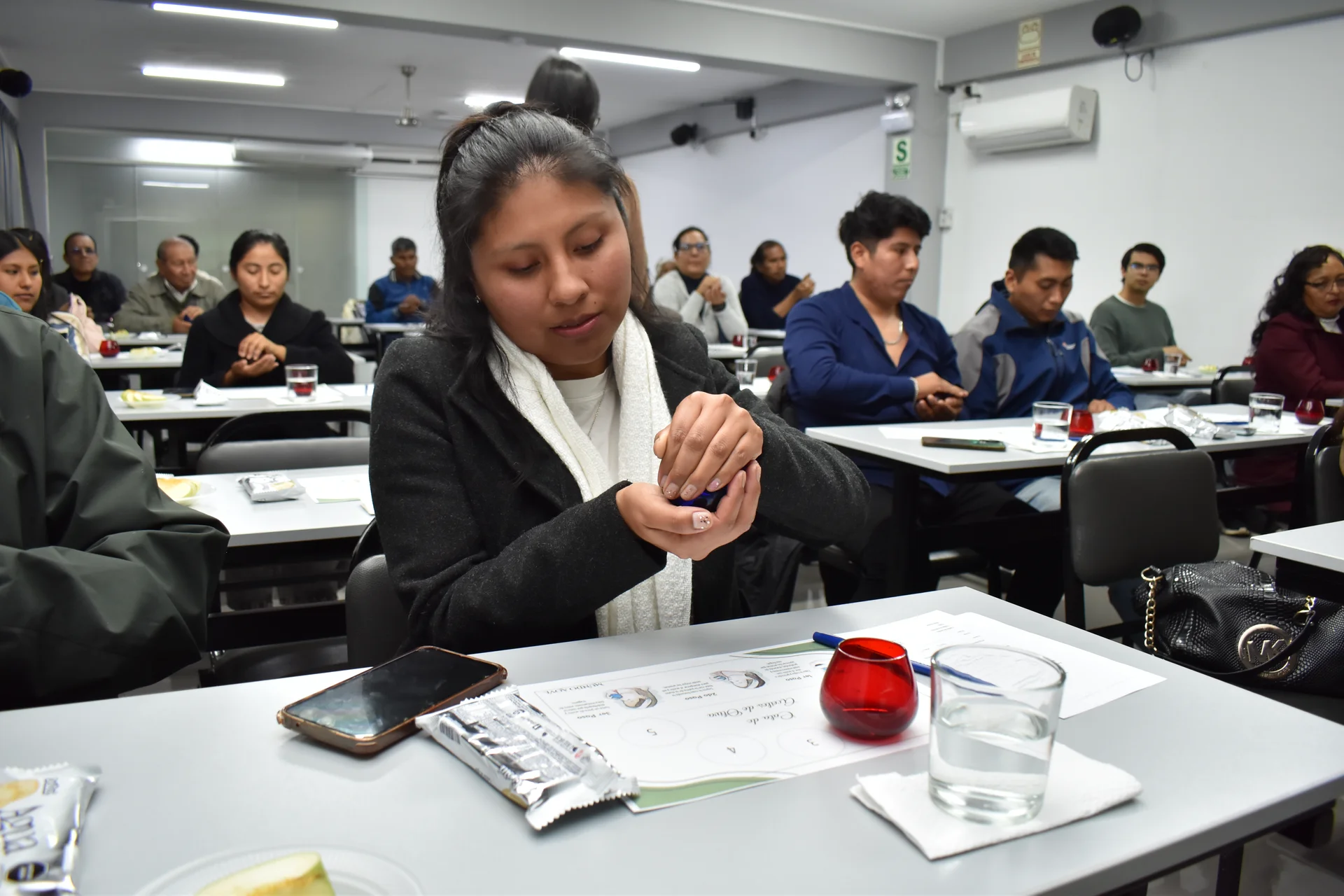
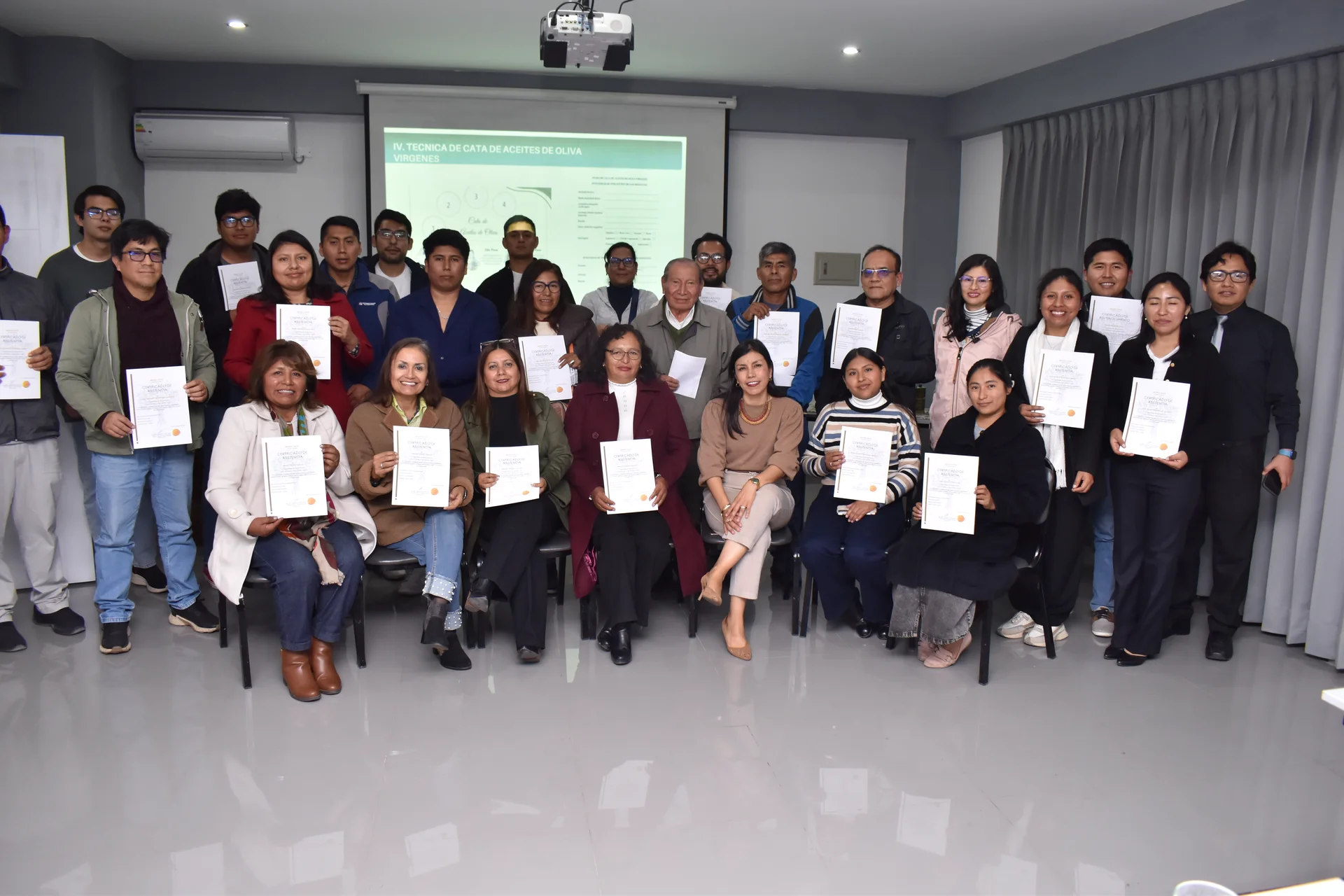
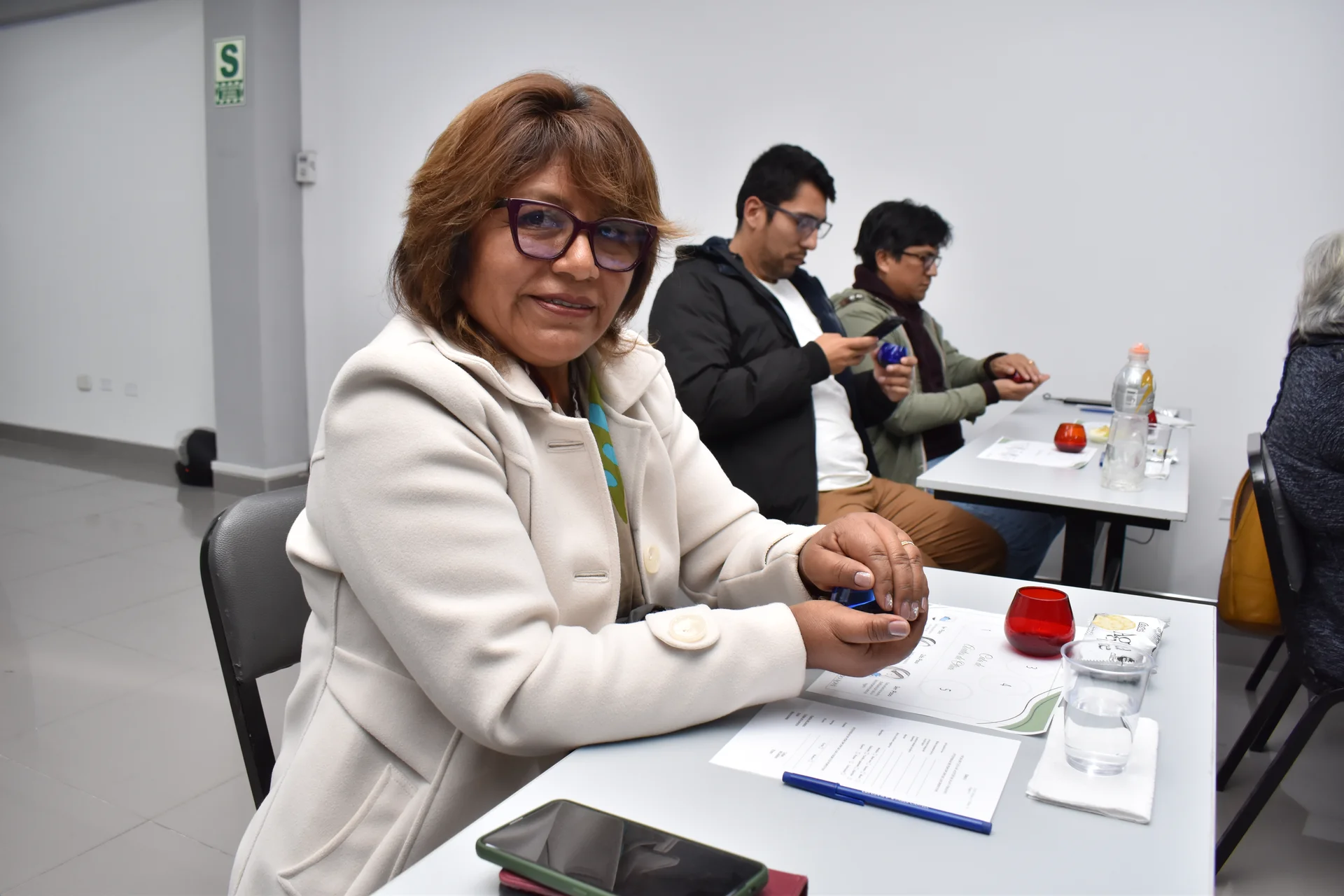
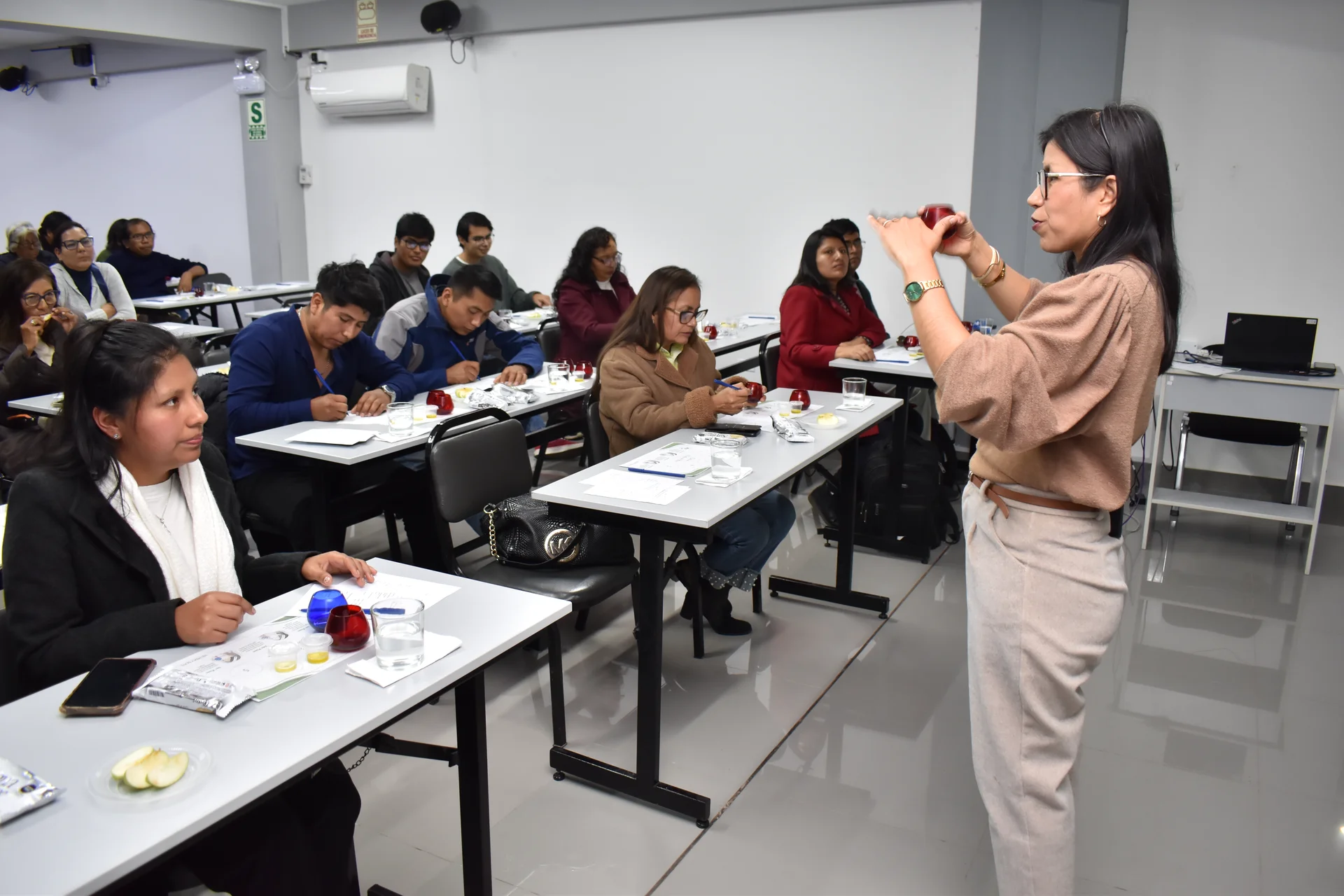
A sensory analysis workshop at the Tacna Chamber of Commerce, with a comparative tasting that revealed the unique character of Tacna's internationally award-winning olive oil.
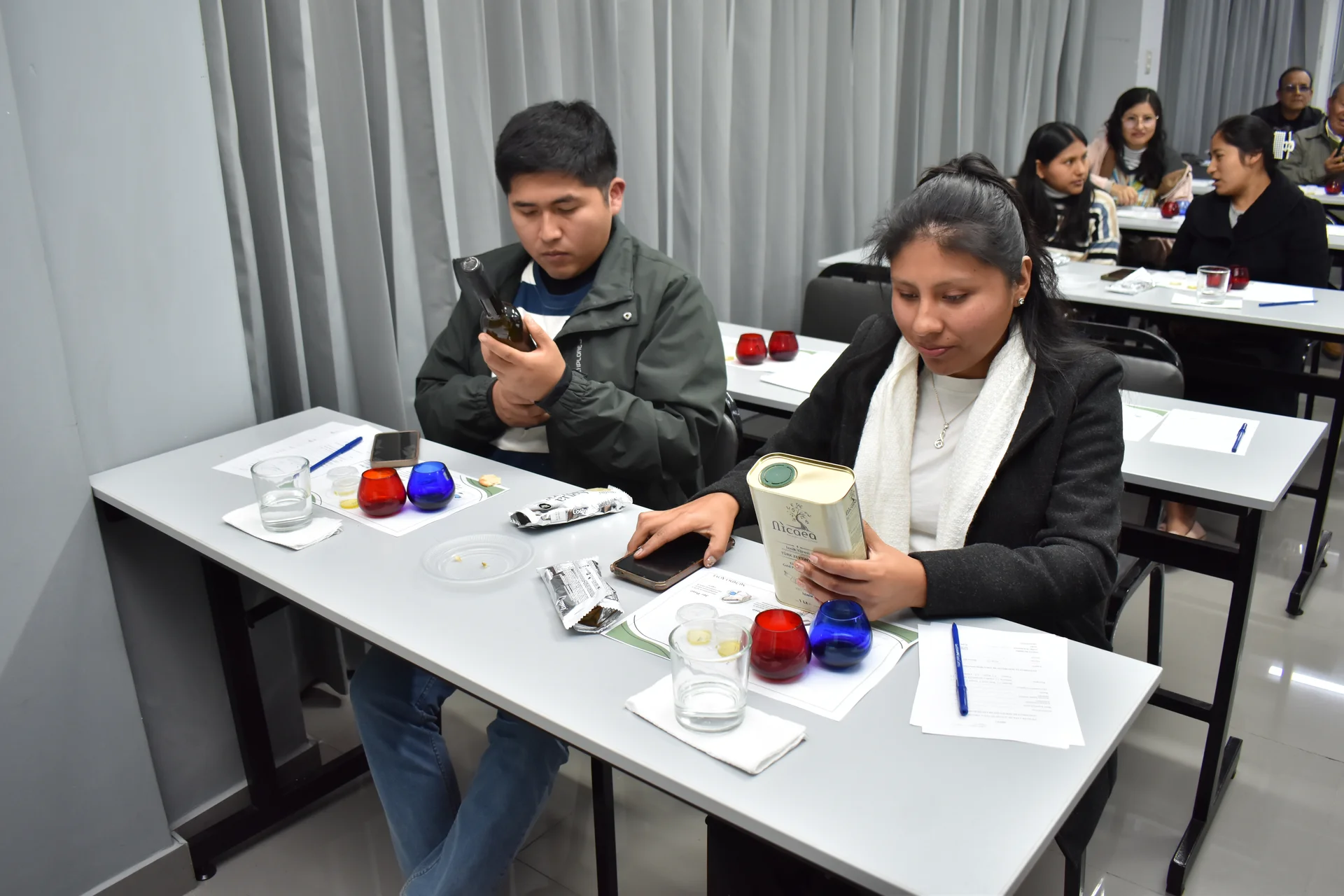
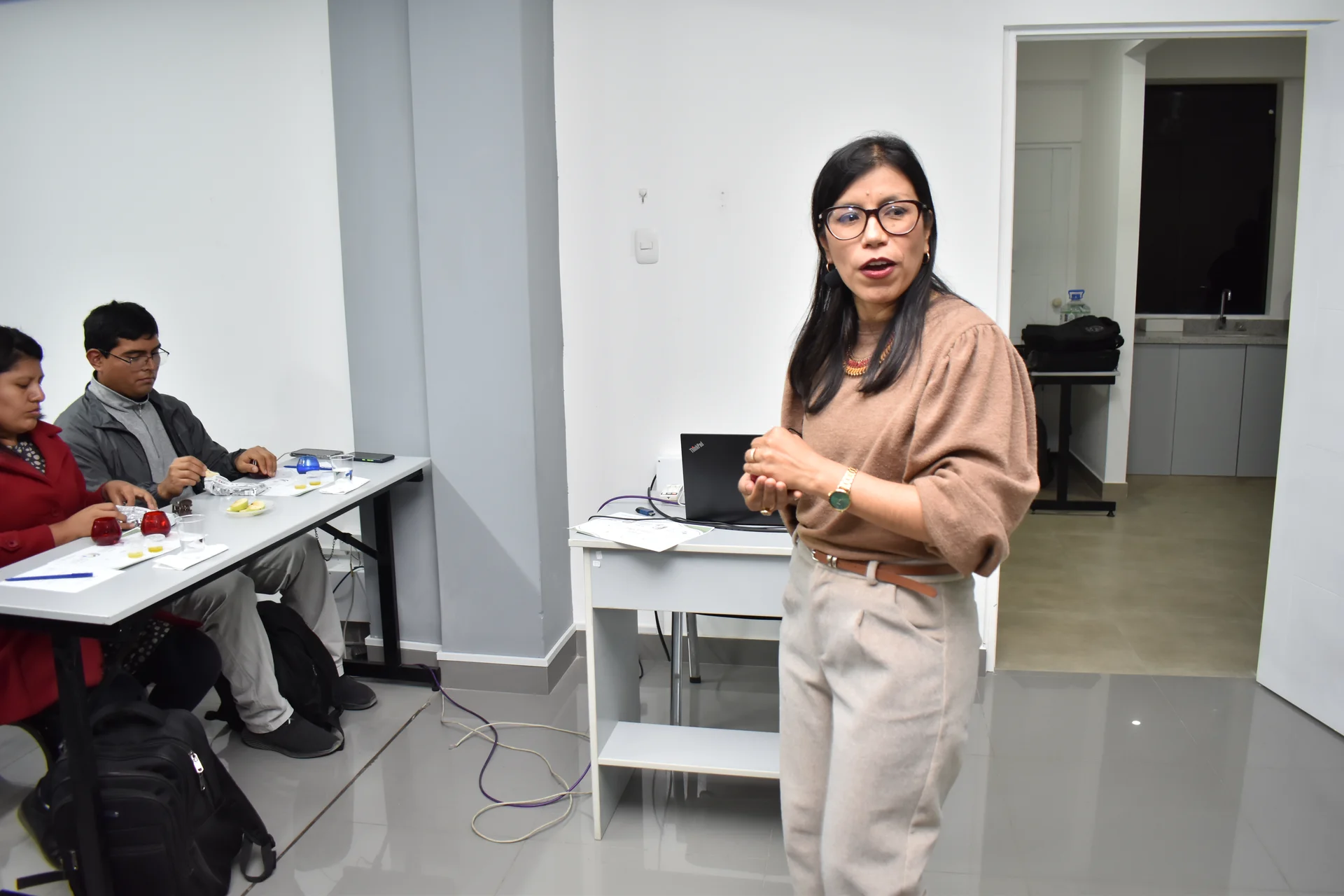
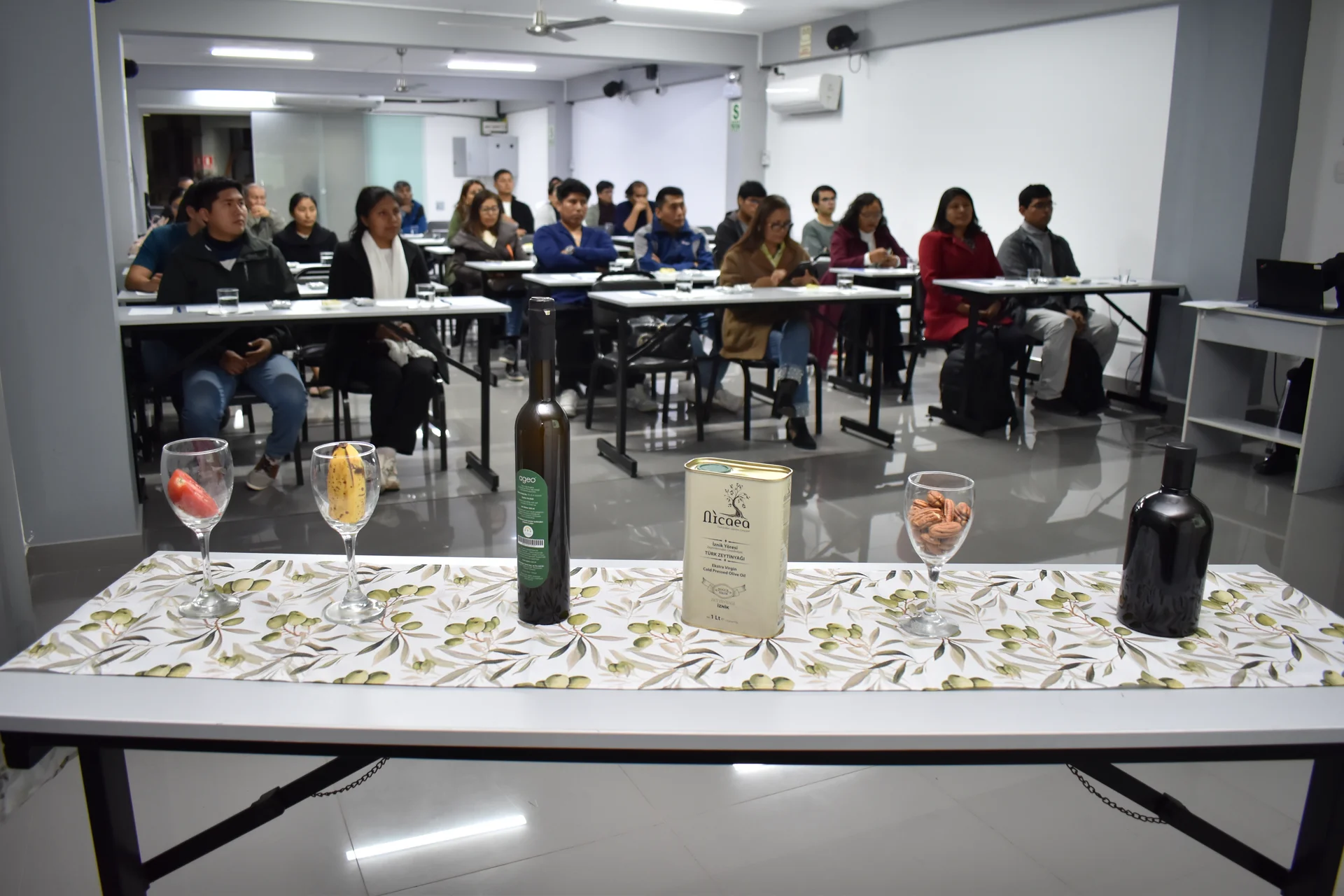
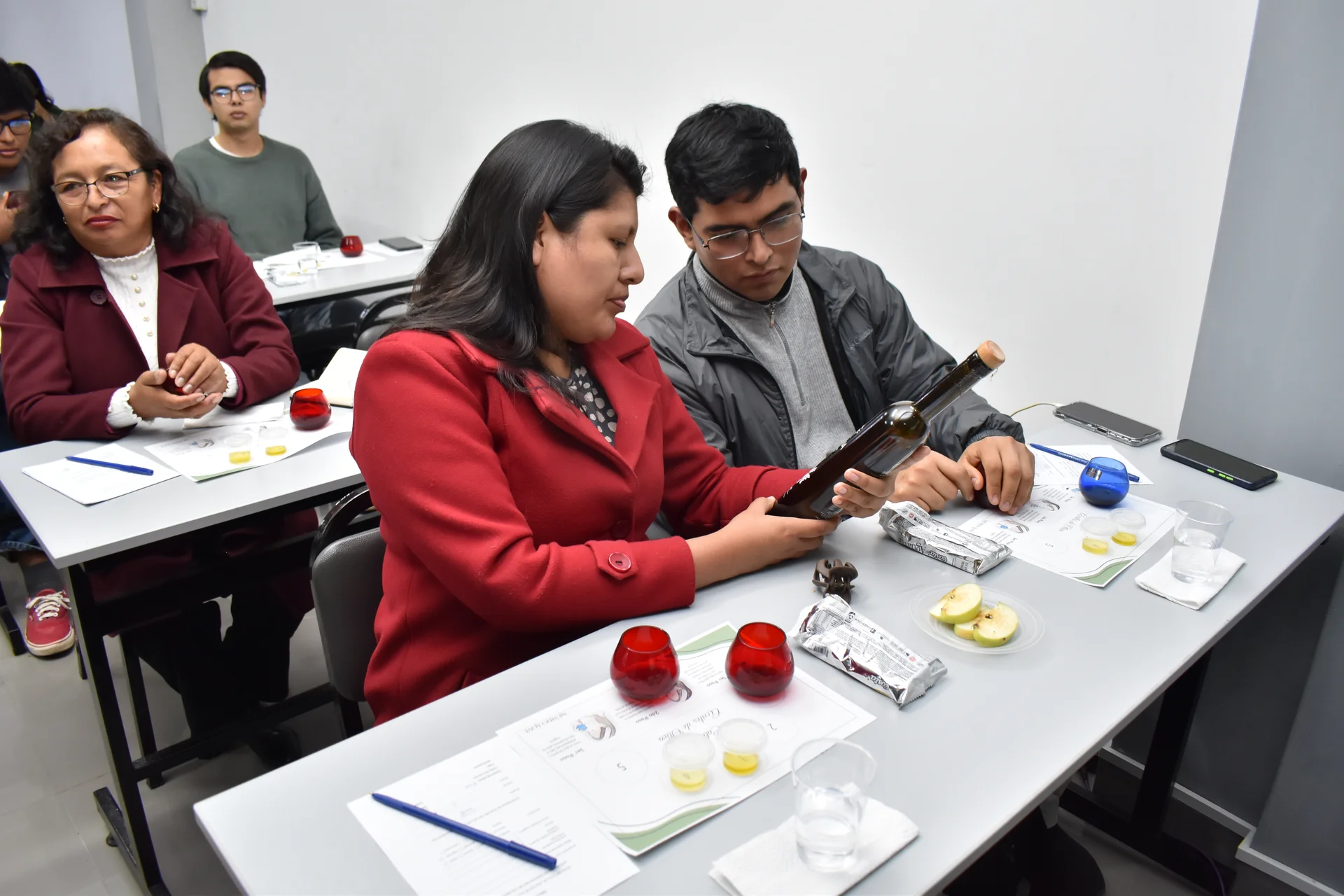
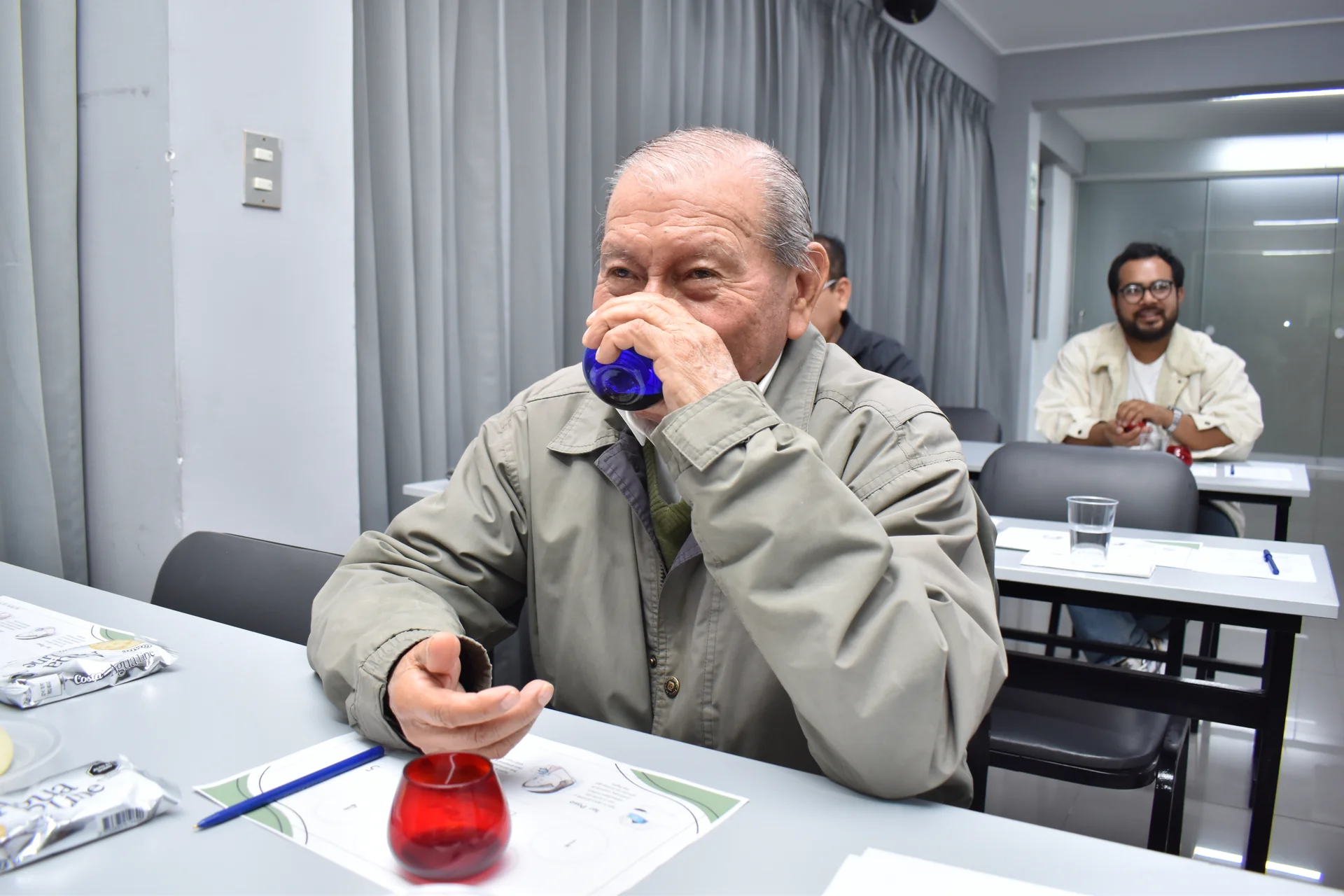
I recently had the pleasure of leading a workshop on sensory analysis and olive oil quality at the Tacna Chamber of Commerce, sharing a day of learning with people eager to discover how to identify a genuine Extra Virgin Olive Oil.
A revealing comparative tasting
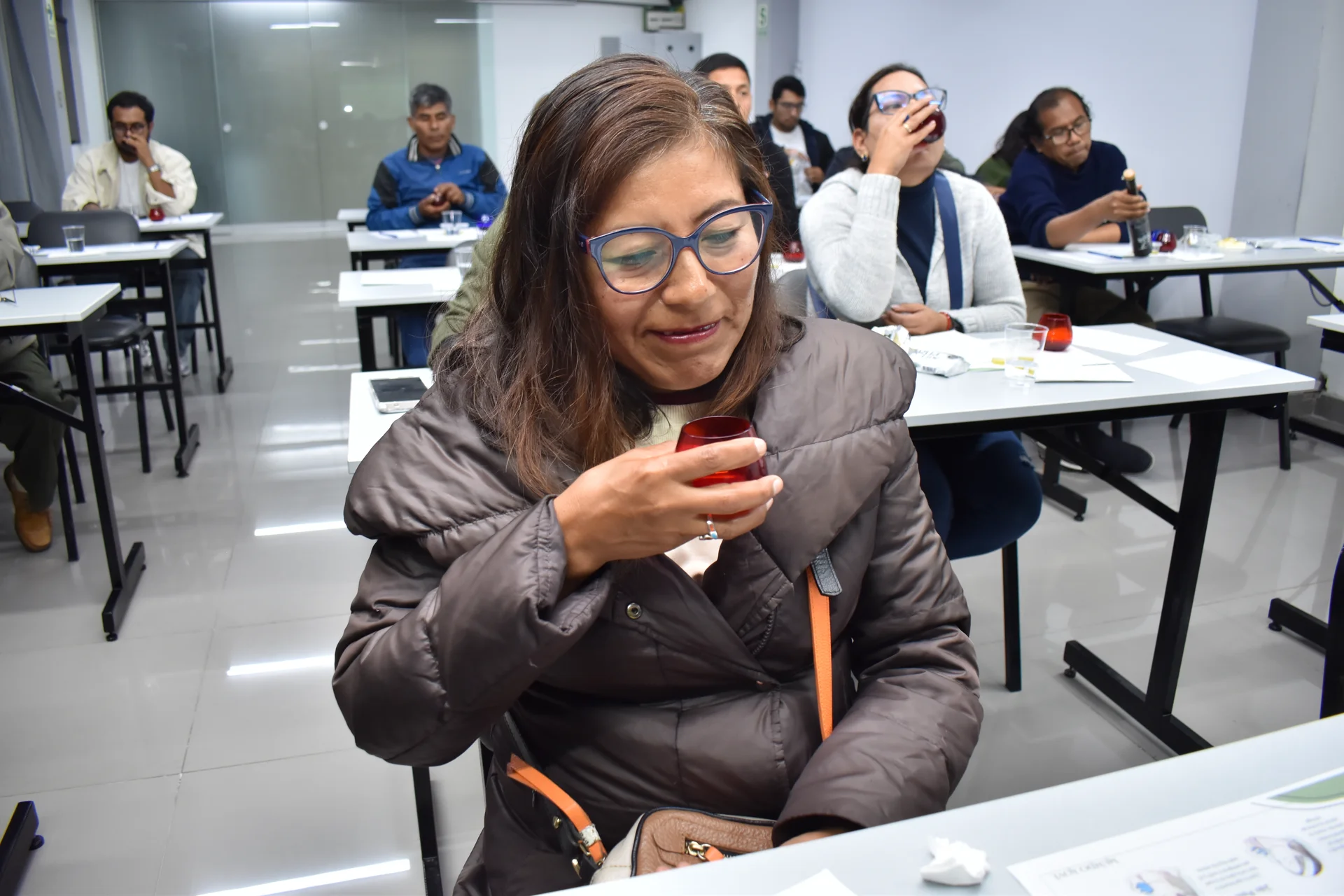
One of the most anticipated moments was the comparative tasting between a Tacna olive oil — awarded a gold medal at an international competition held in Turkey — and two oils from the Middle East (Saudi Arabia and Turkey). This experience allowed participants to appreciate how origin, variety and production process shape the sensory characteristics of each oil.
Conducting the sensory comparison of our flagship variety — the criolla or sevillana — with its bold personality: herbal aromas, pungency and bitterness, supposedly not for sensitive palates! Sensitive palate? Surely a joke! Of course it is intense — and that is precisely what makes it unique and distinctive, especially when produced from olives at the optimal ripeness stage: olives at veraison, turned purple yet still showing green flecks.
A fact many people don’t know
This event was also an opportunity to highlight a surprising piece of data:
Did you know that Tacna produces more than three-quarters of Peru’s olive crop?
According to regional data, Tacna accounts for 76.67% of the country’s national olive production, establishing itself as Peru’s leading olive-growing region. Arequipa (19.61%), Ica (2.55%) and Lima (0.64%) follow at a considerable distance.
Source: INIA-MIDAGRI, 2022 season.
Furthermore, within the district of Tacna, the olive tree represents approximately 74% of the cultivated area, reflecting the enormous economic and cultural importance of this crop to the region.
Source: Agricultural Yearbook DEA / Production: Tacna / Agricultural Statistics 2025.
A region with an olive-growing vocation
These figures explain why Tacna is recognised not only for the volume of olives it produces, but also for the growing quality of its olive oils, which are capable of earning international recognition.
At Mundo AOVE, we continue working to spread this knowledge, bring olive oil culture closer to more people, and strengthen pride in what our region produces.
Photos